
Planet Access Celebrates Grand Opening in Wicker Park and Spotlight Chicago Feature
It’s been an exciting few weeks as we celebrate a new chapter in Wicker Park!
Learn MoreLewis University nursing students support health and wellness at Search, gaining real-world experience while enhancing community care and wellbeing.
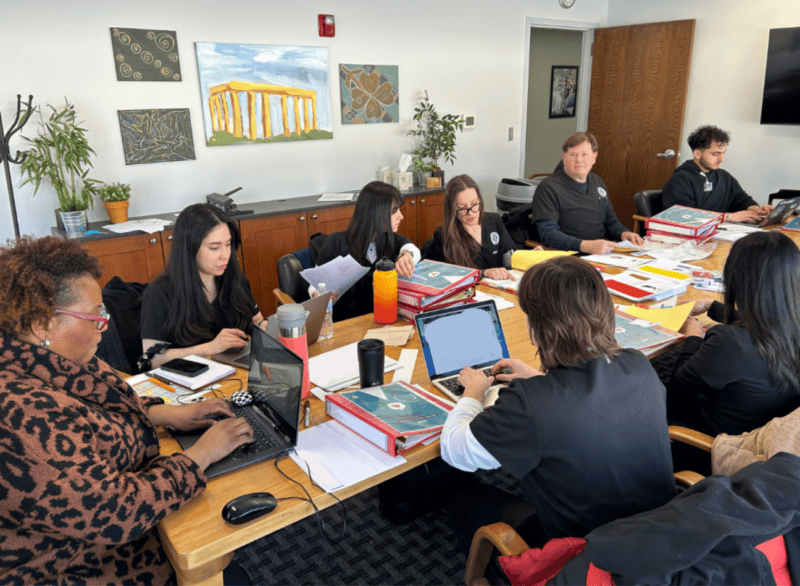
In 2018, Search began a new partnership with Resurrection University, a nursing school in Chicago that was later named Oak Point University. When Oak Point closed in 2024, Lewis University stepped in to help nursing students complete their education, and the partnership with Search continued. Search has hosted nursing students from this program for six years on an 8-week rotation each semester. Students help ensure individuals receive essential care while gaining hands-on experience in clinical and community-based settings. In addition, this partnership strengthens healthcare access and fosters valuable learning opportunities for future nurses.
During their weekly visits, the students review medical records, flag upcoming annual check-ups, follow-ups, and screenings, meet with individuals to update passports and communicate essential health updates to Search’s nursing team. Their work helps individuals stay on track with vital medical care, promoting both independence and well-being.
Medical Self-Advocates Program
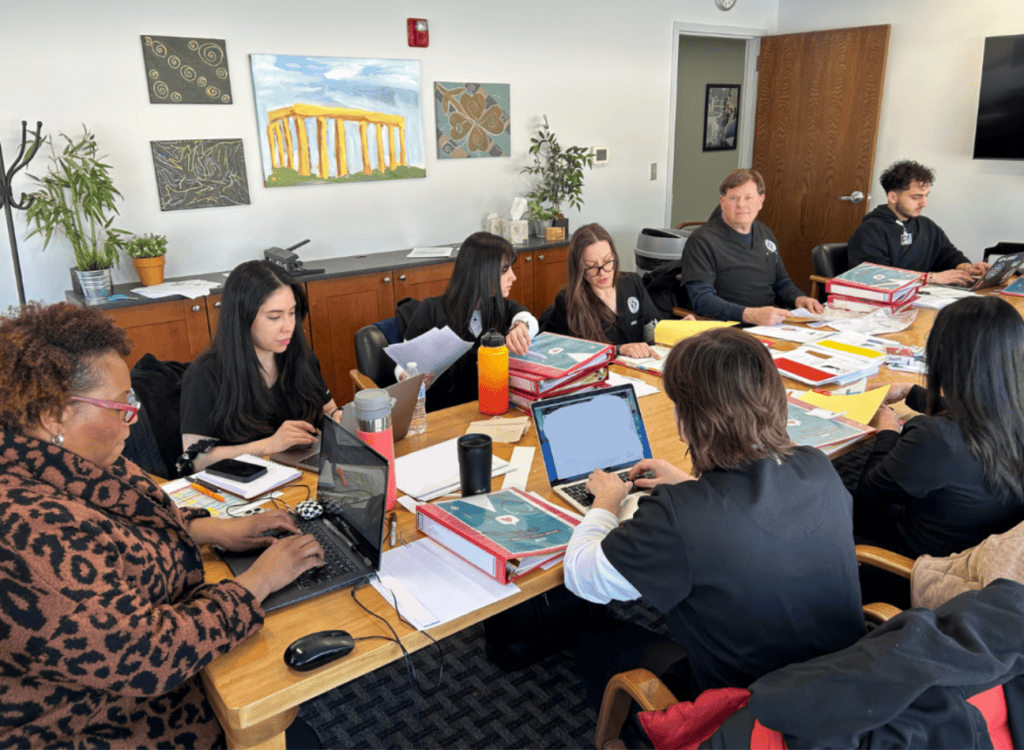
Our most recent rotation of nursing students has focused on enhancing our Medical Self-Advocates program. This initiative empowers individuals supported by Search to advocate for themselves during medical and behavioral health appointments through the use of medical passports.
These medical passports are personalized binders created by program participants with the assistance of nursing students. They outline personal preferences, interests, and important medical conditions to be aware of during treatment. For instance, if an individual requires an overnight hospital stay, the medical passport can inform staff about anything from the person’s favorite TV show to co-occurring conditions that might impact their treatment plan.
For individuals who are nonverbal or have different communication styles, these passports are invaluable tools. They ensure that medical staff can understand and respect the patient’s needs and preferences, facilitating better and more personalized care during medical appointments.
Impact on Nursing Education
The partnership’s impact extends beyond the participants. For Professor Rey Bernardo, MSN, a Registered Nurse and Nursing Instructor at Lewis University, this collaboration serves as a vital learning experience for students as well as a crucial resource for Search’s participants.
“Our top priority is patient health,” Bernardo explains. “We assess their medical status, vaccines, lab tests, doctor’s appointments, medications, diet, and overall well-being. Our role is to go through their medical information and determine what appointments are past due what needs to happen next.”
Bernardo describes the program as a blend of clinical and clerical work, requiring students to think critically as they review records, ensure medication compliance, and notify doctors when follow-ups are needed.
“It’s not just about checking records,” he adds. “It’s about understanding why someone might not be compliant with their medication or appointments. Education is key and we have to assess and address those barriers.”
Bernardo first became involved through Lewis University’s Health Promotion course, coordinating with Search to formalize and expand the partnership. As a former clinical instructor, he now brings students to Search to experience real-world nursing challenges.
He emphasizes the impact of this program on student development, saying, “I hope students walk away from this understanding the power of nursing and the versatility it requires. This experience prepares them to provide safe, quality care while also planting the seed for future nurses to support programs like this.”
Marisa Rodriguez’s Journey
For Marisa Rodriguez, a nursing student in her second-to-last semester at Lewis, working at Search has been a transformative experience.
“At the end of the day, we’re helping people become more independent,” Rodriguez explains. “People want to understand what’s happening to them, why it’s important, and how they can manage their health moving forward.”
Her work at Search involves auditing medical records, updating information, reviewing physicals, and creating action plans for overdue medical services. “We take a top-to-bottom approach, making sure individuals receive necessary care like blood work, optometry exams, and specialist visits.”
Rodriguez says this experience has made her more humble and open-minded, reinforcing her passion for working with older and vulnerable populations.
“Before nursing school, I worked as a resident assistant for older adults. Now, working at Search, I feel like I’m meant to work with this community and create positive change.”
Moayad Qasim’s Insights
Nursing student Moayad Qasim echoes the importance of making healthcare more accessible and understandable for Search participants. He describes how he personalizes his approach by asking participants how they prefer to communicate, whether formally or more conversationally.
“A lot of people just want to sit down and talk like friends, which makes it much easier to explain things in a way that makes sense to them,” he says. “Using non-medical terms helps them feel comfortable and truly understand what’s going on with their health.”
He also emphasizes how this experience has changed his perspective as a future nurse. “It’s been helpful to see healthcare from the patient’s side. Now, I know how to approach my next patient with the same type of disability, making them feel more comfortable and heard.”
Beyond the direct medical work, Qasim was struck by the strong sense of community at Search. “Everyone here, staff and participants, seems so genuine. You can tell how happy people are to be here. The way staff know each individual by name, the way they provide structure while still making it a welcoming space. It’s really inspiring.”
Future of the Partnership
Professor Bernardo and the students hope this partnership continues to grow, providing essential healthcare support to Search participants while shaping future nurses into compassionate, community-driven professionals.
“I think it’s a great partnership,” Bernardo says. “I hope we continue working together and create even more opportunities to support Search and the individuals they serve.” Thank you so much to Lewis for this partnership and for all you do to support the health and well-being of people supported by Search!
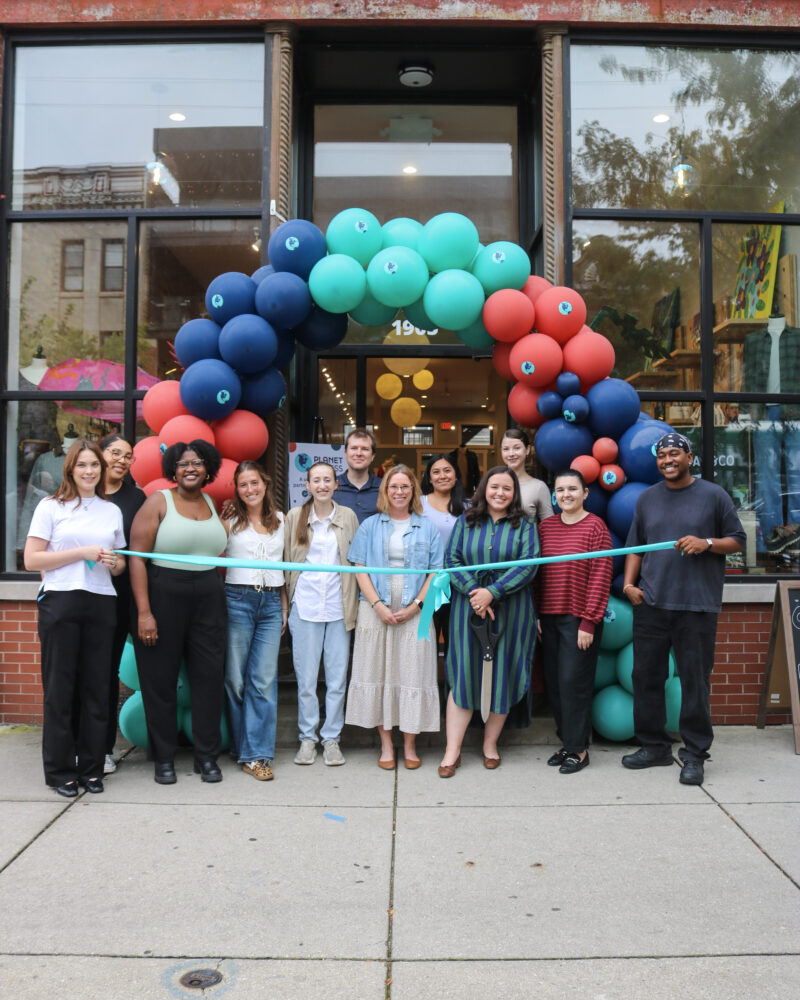
It’s been an exciting few weeks as we celebrate a new chapter in Wicker Park!
Learn More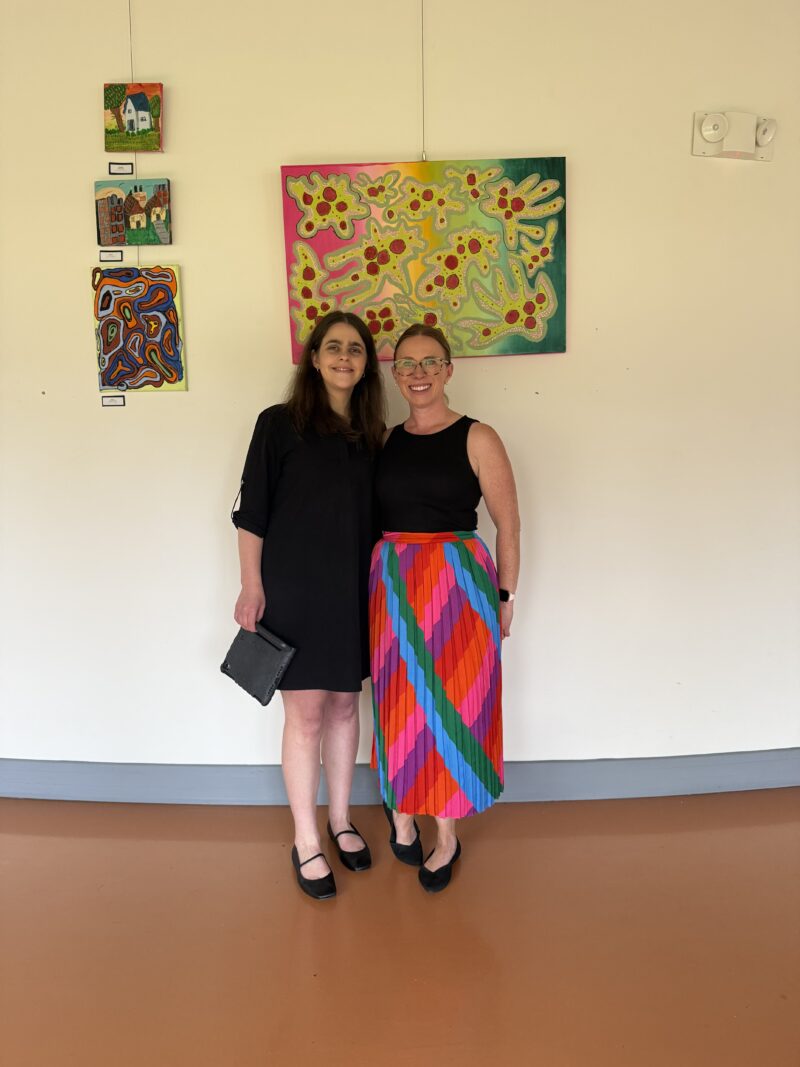
Jordyn Zimmerman visited Search360 to deliver an inspiring keynote, highlighting the importance of listening, challenging the status quo and creating opportunities for people with I/DD.
Learn More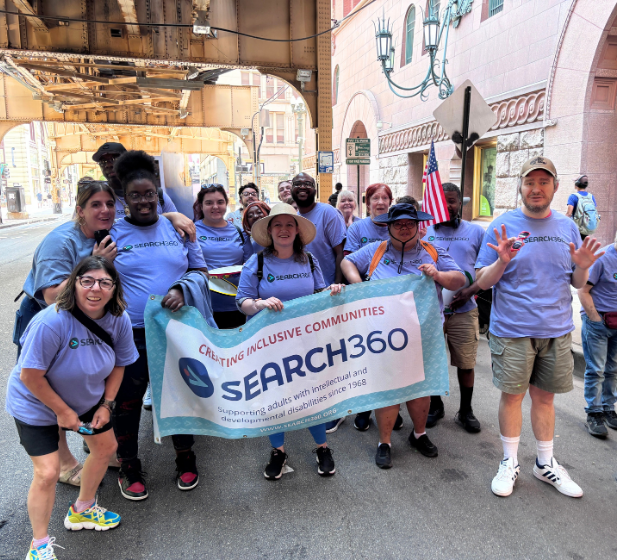
As part of Disability Pride Month, Search proudly joined the 23rd Annual Chicago Disability Pride Parade on Saturday, July 25, bringing together people supported, staff and community members to celebrate disability pride, inclusion and the power of belonging. Held each July in recognition of the anniversary of the Americans with Disabilities Act (ADA), Disability Pride Month is a time to celebrate the accomplishments, identities and contributions of people with disabilities while continuing to advocate for accessibility and inclusion. The Chicago Disability Pride Parade creates a space for people of all abilities to come together, share their stories and celebrate […]
Learn More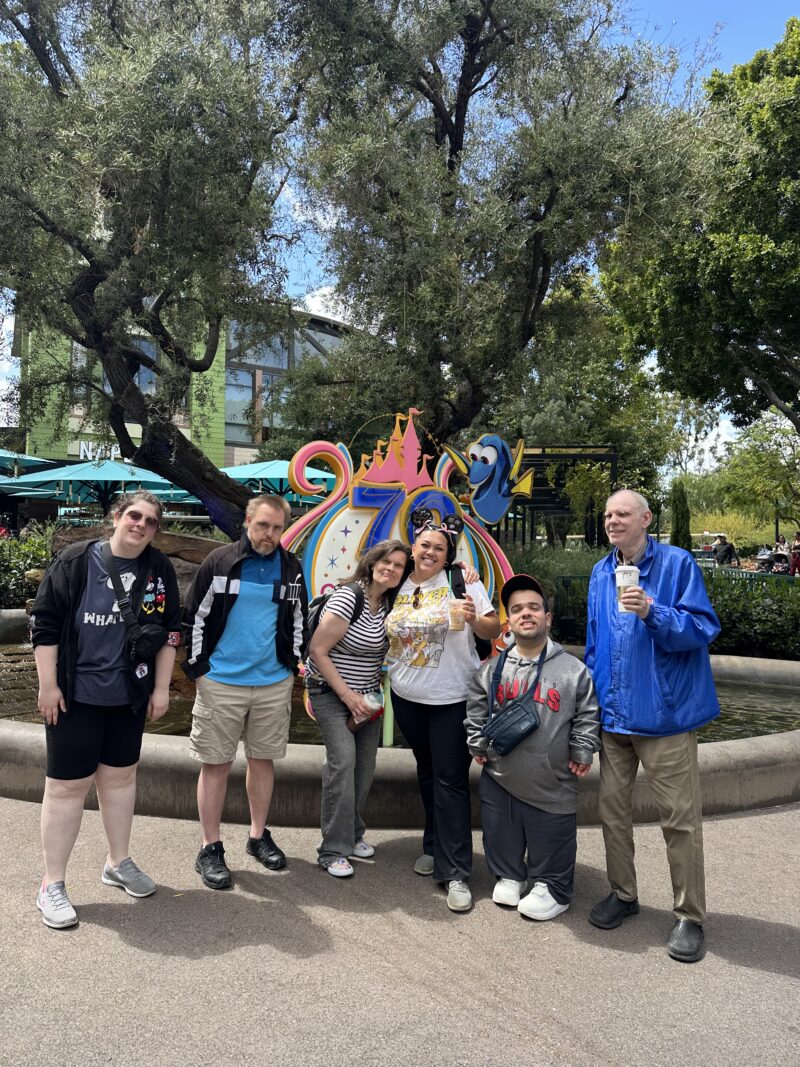
At the end of May, a Search for Adventure (SFA) group traveled to Disneyland in California for four days of fun and exploration. A crew of six people supported by Search, along with Search and Toad&Co. staff, spent their time braving rides, taking in the wonders of the park and enjoying the beauty of California. For many people we support, Search for Adventure trips are their first opportunity to travel by plane or visit another state. These experiences provide a chance to step outside of daily routines, try new things and create lasting memories with friends. “These trips are important because I get to get out more and explore the […]
Learn More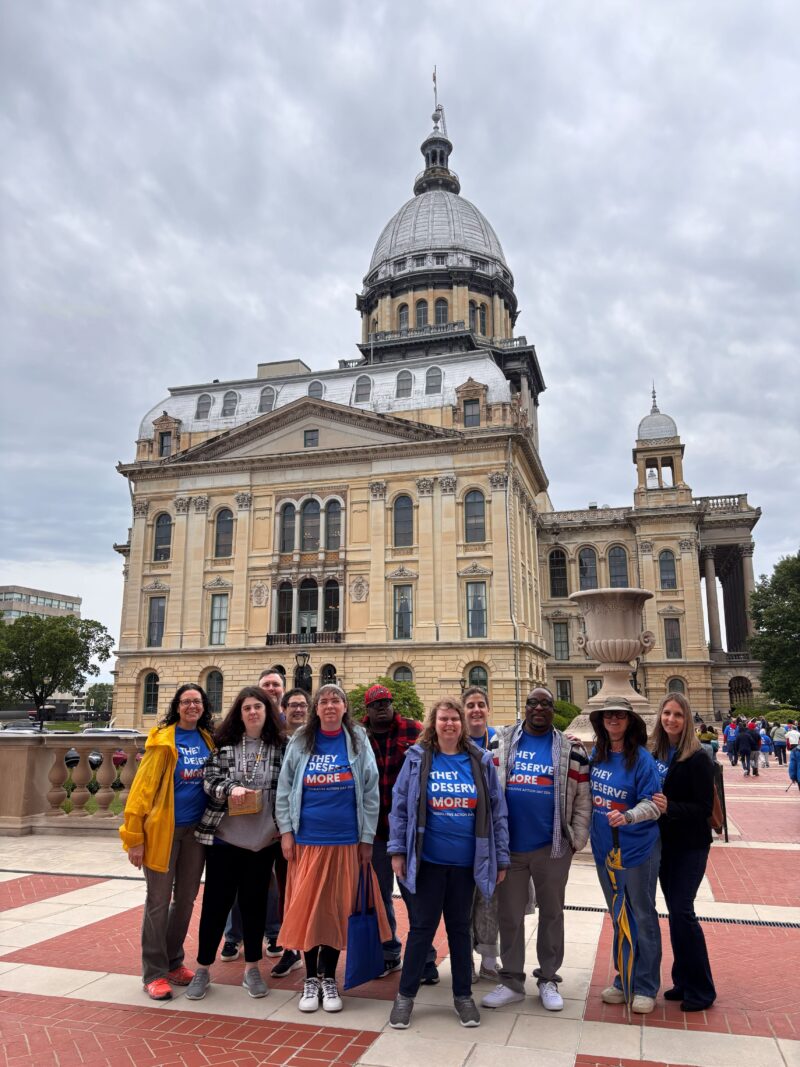
In May, Search360 made two trips to Springfield to advocate for stronger disability services and increased wages for Direct Support Professionals (DSPs). Alongside statewide partners, staff and people supported by Search360 met with legislators to share why these investments matter and how they impact everyday life for people with intellectual and developmental disabilities (I/DD). On May 5, Search360 joined hundreds of advocates from the They Deserve More coalition at the Illinois State Capitol for an Advocacy Action Day. Search360 brought a group of 10, including staff and people supported, to meet directly with legislators and share their experiences. One of the most impactful parts of the day […]
Learn More
April is National Autism Acceptance Month It has been more than 50 years since April was officially recognized as National Autism Acceptance Month in 1988, following its introduction in 1970 by Dr. Bernard Rimland, an autism researcher, to coincide with his son‘s birthday and his inspiration to begin autism research. What began as an effort to increase public understanding of autism has grown into a broader movement centered on acceptance, inclusion and meaningful support for people with autism and their families. Today, April is used as a time to elevate the voices of those with autism, challenge misconceptions, and push for more inclusive communities. The Centers for Disease Control and Prevention defines Autism Spectrum Disorder (ASD) as a […]
Learn More