Holiday Celebrations with Search
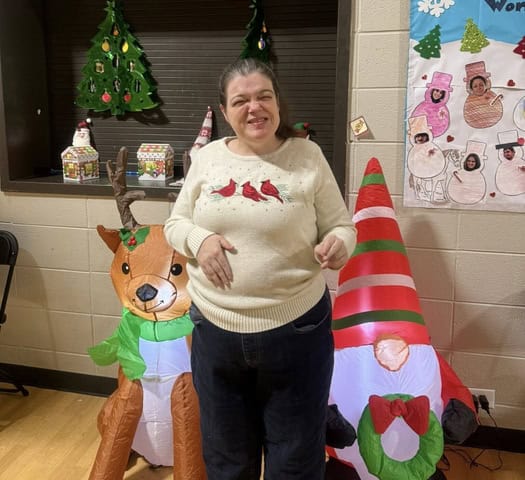
Explore Search's holiday celebrations, sharing joy, inclusive traditions, and community engagement across festive events for all abilities.
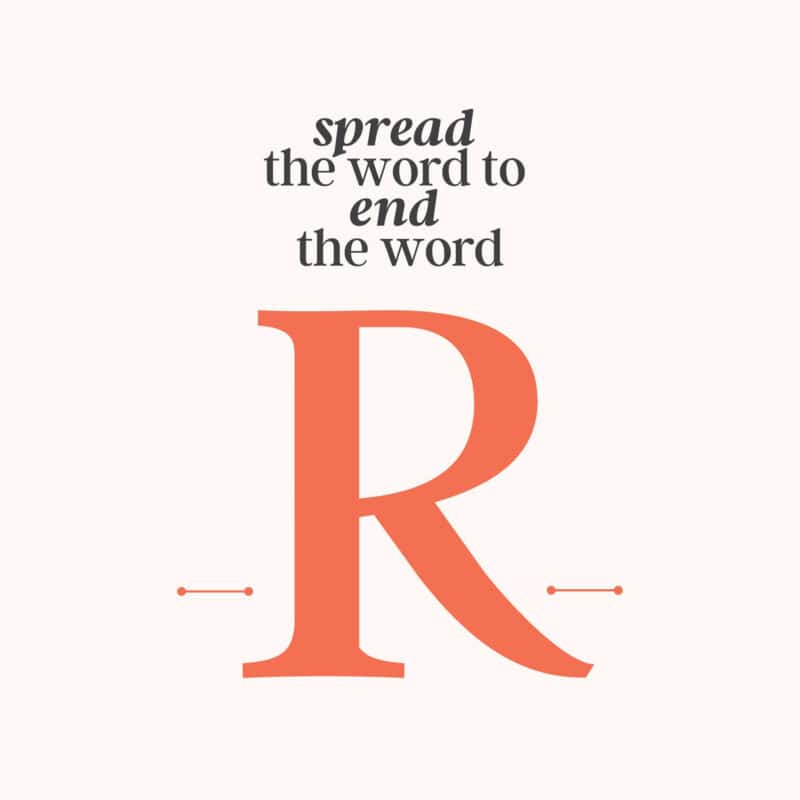
Learn MoreThe use of the "R" word perpetuates harmful stereotypes and reinforces negative attitudes.
At Search360, we believe in cultivating understanding, inclusion, and respect for people with disabilities. That’s why it can be troubling to see the resurgence of the word “retard”, often referred to as the “r-word” in social media and everyday conversations. Though it may seem like a throwaway term to some, the use of this word perpetuates harmful stereotypes and reinforces negative attitudes toward people with intellectual and developmental disabilities (I/DD).
Words Matter
Language is how we connect to one another and shapes how we perceive others. The r-word, historically used as a clinical term for people with I/DD, has long been weaponized to demean and devalue people with disabilities. In 2010, the Obama administration passed Rosa’s Law. This law eliminated the use of the r-word in federal health and labor laws. Clinicians phased out the word shortly after, but the damage caused by its misuse lingers.
For many with a disability, hearing the word is a reminder of exclusion, bullying, and dehumanization. It reduces a person to their perceived limitations, rather than recognizing their inherent worth and unique abilities.
Social Media
Social media plays a notable role in amplifying positive and negative trends. Unfortunately, the r-word has made an unwelcome comeback in memes, jokes, and online slang, often under a veil of humor or sarcasm. Algorithms prioritizing engagement over responsibility can amplify this issue, making harmful content available to a broader audience.
It’s important to remember that what’s said online doesn’t stay confined to the digital world. The normalization of offensive language online can encourage people to use it in real-life interactions, perpetuating stigma and hurt for affected communities.
Speaking Up And Fighting Back
Respectful and inclusive communication is key to fostering disability-aware communities. Speaking up when someone uses the r-word, whether they realize its impact or not, can help guide them toward more respectful language. By addressing it, you create awareness and encourage a ripple effect, inspiring others to do the same. Here are some ways you can respond in conversation:
Conversations led with kindness, education and empathy can help change minds. You can learn more about language through our signature Disability Awareness Trainings!
Moving Forward
Removing the r-word from our vocabulary is not about policing speech; it’s about promoting empathy and respect. At Search360, we want to build a world where people with disabilities are valued for who they are, free from harmful stereotypes and language.
Let’s work together to make this vision a reality! By speaking out against the resurgence of derogatory language and fostering understanding, we can create communities where everyone feels respected, uplifted and valued.